Defining Team OKRs isn’t easy. Too often, leaders draft them alone or cascade them down – and then wonder why their teams lack commitment. The OKR Time Machine Activity changes that. This step-by-step facilitation technique helps teams step out of the present, envision success in the future, and identify the leading indicators that show they’re on the right track. It’s a practical way to create OKRs that drive real action – and real results.
Category
Strategy and Planning
Top 5 Ways to Use Lean Inception for AI Agents: Build the Right MVP in the Agentic Era
Learn how to apply Lean Inception for AI agents to define effective MVPs, align hybrid teams, and integrate agent experience (AX) into your product strategy.
Data Mesh Readiness: Should You Adopt Data Mesh Today?
In this comprehensive exploration of Data Mesh transformation, we delve into the critical concept of Data Mesh Readiness. Before immersing yourself in the journey, there’s a pivotal question that demands an answer: Is your organization truly prepared for Data Mesh? Guided by the expertise of an inception facilitator, this article unfolds a pragmatic approach. The Data Mesh Readiness Assessment, dissected into key aspects, becomes a compass guiding your evaluation. From understanding your organization’s complexities to identifying strategic domains, this piece offers actionable insights. Embracing the Lean principles, the article introduces the DUTI Lean Transformation Path: Domain, Use Case, Thin Slice, and Increment. Through a strategic domain-by-domain approach, your organization can elegantly navigate the marathon of innovation and transformation, ensuring a successful Data Mesh implementation.
Storytelling with OKRs
This article promotes the use of storytelling to define group objectives and key results (OKRs). The “Storytelling with OKRs” activity is a collaborative method that encourages open discussions and reflection, fostering alignment and transparency among team members. This approach involves understanding the current context, setting objectives, identifying progress indicators, and defining key results. Ultimately, it helps teams work together toward achieving shared goals.
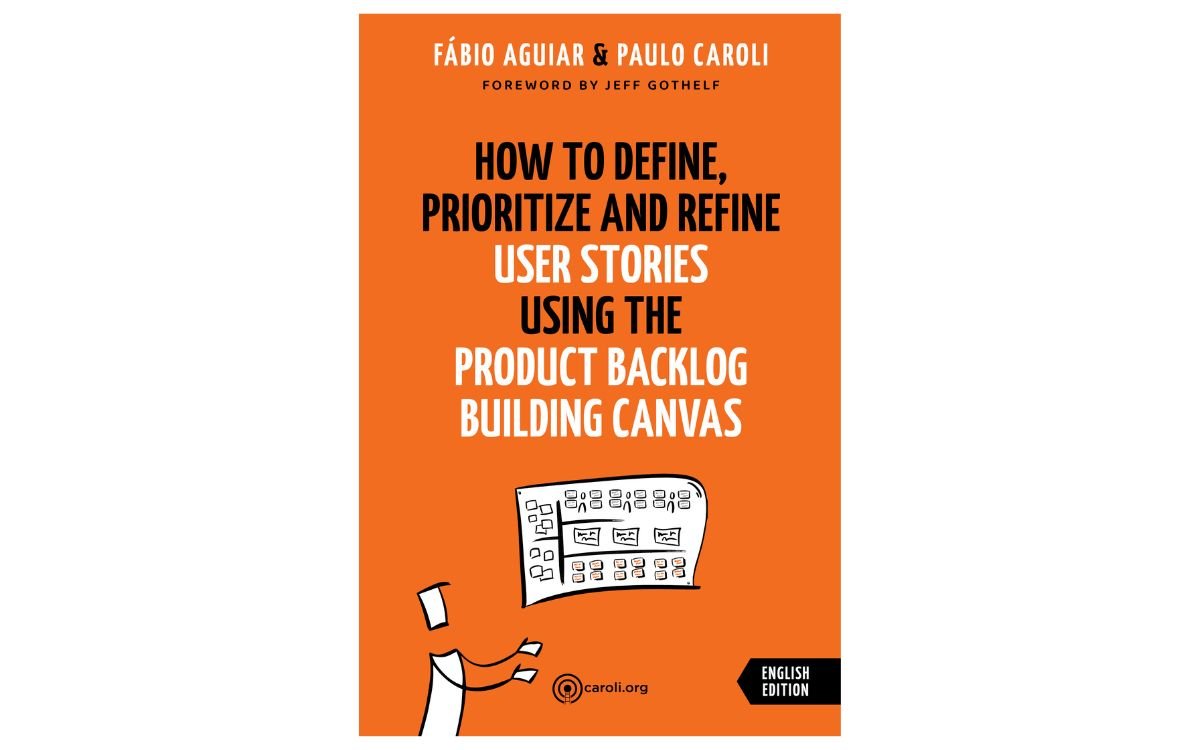
New Book Alert: How to Define, Prioritize and Refine User Stories using the Product Backlog Building Canvas
Introducing our enhanced book, “How to Define, Prioritize and Refine User Stories using the Product Backlog Building Canvas.” Evolving from its predecessor, this edition responds to valuable reader feedback, refining both content and title. Delve into the world of effective product development and user story management, discovering the integrated power of the PBB Canvas. Embrace an enriched reading experience and explore insights from thought leader Jeff Gothelf in the preface. Don’t miss a reader’s insightful review, preserved for wider readership. Join us on this journey of empowering user story craftsmanship, and witness the transformation of your product development goals.
Coordinated OKRs: Navigating Shared Objectives Within Operational Teams
Exploring Effective Shared Objectives within Operational Teams: This article delves into the dynamics of coordinated OKR in operational teams. It highlights the need for collaborative objectives that complement team efforts while maintaining autonomy. The piece emphasizes understanding organizational structures for successful shared objectives and advocates for team-specific goals that enhance each other’s endeavors.
Strike Team OKR: The Power of Temporary Collaborative Goals
Explore the transformative concept of “Strike Team OKRs” in the world of objectives and key results (OKRs). This article navigates the intricacies of shared objectives, showcasing how dynamic cross-functional teams with tailored objectives—unlike traditional shared OKRs—drive focused collaboration. Through real-world examples, discover the effectiveness of strike teams in swiftly addressing complex challenges. Embrace the power of temporary alliances, propelling teams to achieve extraordinary outcomes.
Team OKR: SMART KR & outcome-oriented KR
This article discusses essential steps to evaluate and enhance Key Results (KRs) within the context of Team OKR. Poorly defined or misaligned KRs can hinder the execution of OKRs and lead to subpar outcomes. You must apply two fundamental checks: (1) ensure you have SMART KR, meaning that your Key Results are Specific, Measurable, Achievable, Relevant, Time-bound; and (2) focus on outcomes over outputs. Through clear examples and practical insights, the article illustrates the significance of aligning KRs with objectives and introduces the powerful technique of asking “Why” to enhance KRs further. By delving into the underlying motivations and expectations of KRs, teams can create more insightful and meaningful objectives.