Lead time—the time elapsed from the work start to completion– is important and is a key performance indicator (KPI) that every Agile team should track. Poor lead time causes bottlenecks in the team production flow, inefficiencies, delay costs, not to mention unhappy customers. Below are three extremely simple ways to manually track it on your physical Kanban board.
Write on card
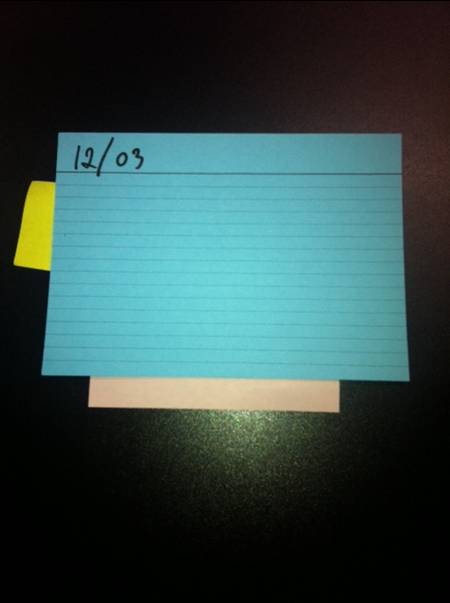
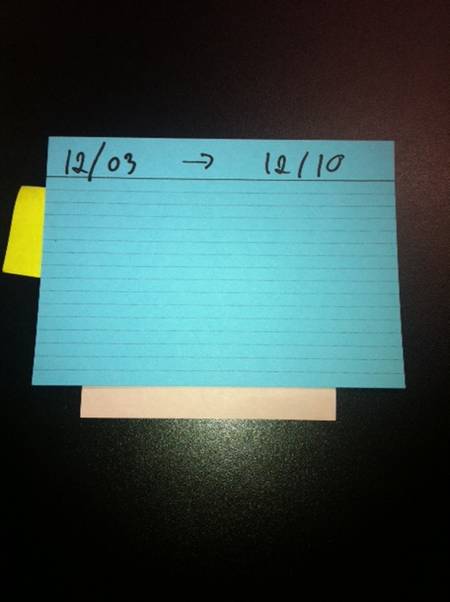
The easiest way to track the lead time for a work item is to write on the card itself. I typically write on the back of the card the date the work started, and then, when it is done, I write the date again. By subtracting the dates you get the lead time for that work item.
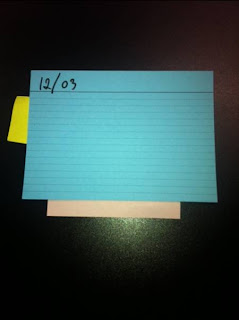 |
| work started |
 |
| work compteled |
Banana peal
This is a story about a very creative team. The team was very interested on maintaining really short lead times; three days for a work item completion was outrageous! Vini was a developer on that team. He used to bring bananas daily. Banana was his breakfast.
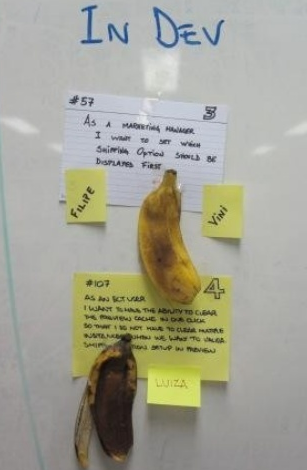
The team decided to tape a banana peal on every work item that started on that day. This was done on the morning stand up. In a few days the banana peal goes from yellow to black (and rotted). The lead time was very visible on the wall. Work item taking more than two days were very visible to the whole team. It was impossible not to pay very close attention to every work item lead time.
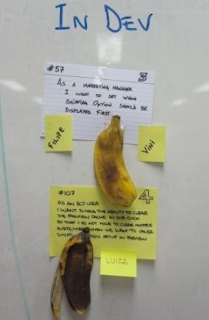 |
| visual lead time via a banana peal |
Interesting enough, the cleaning people were the first ones to complain about long lead times on that project.
Red dots
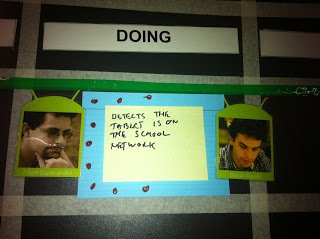
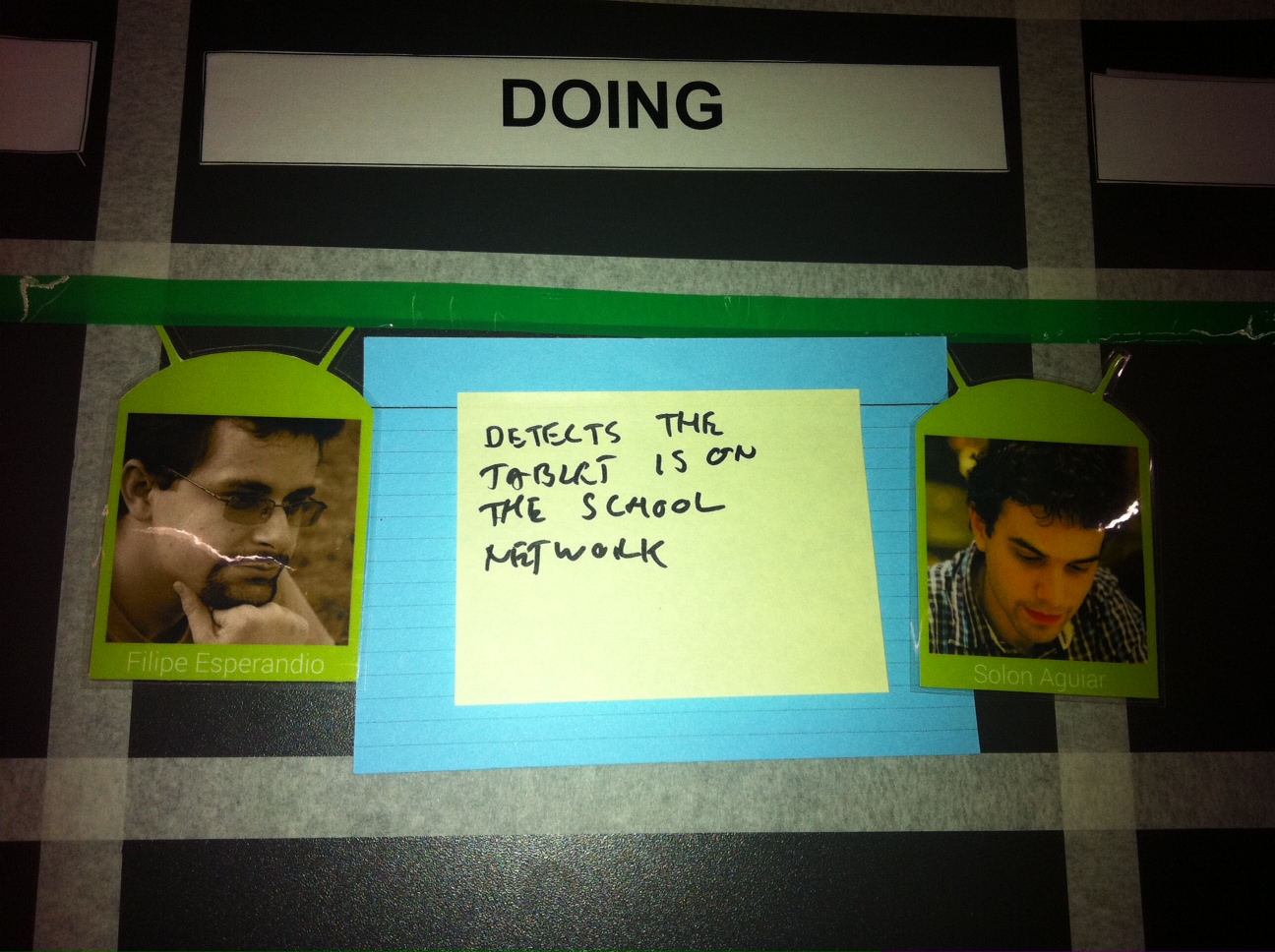
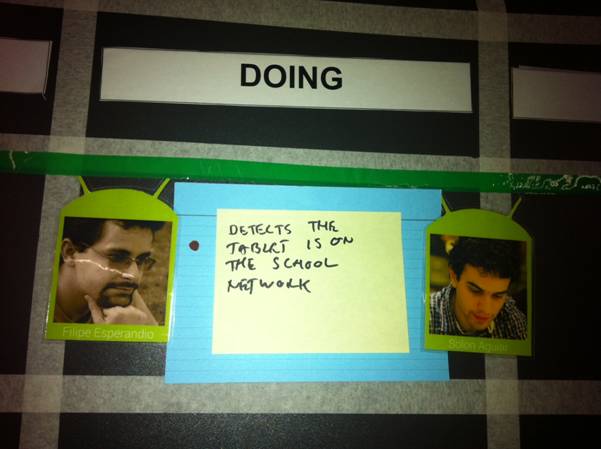
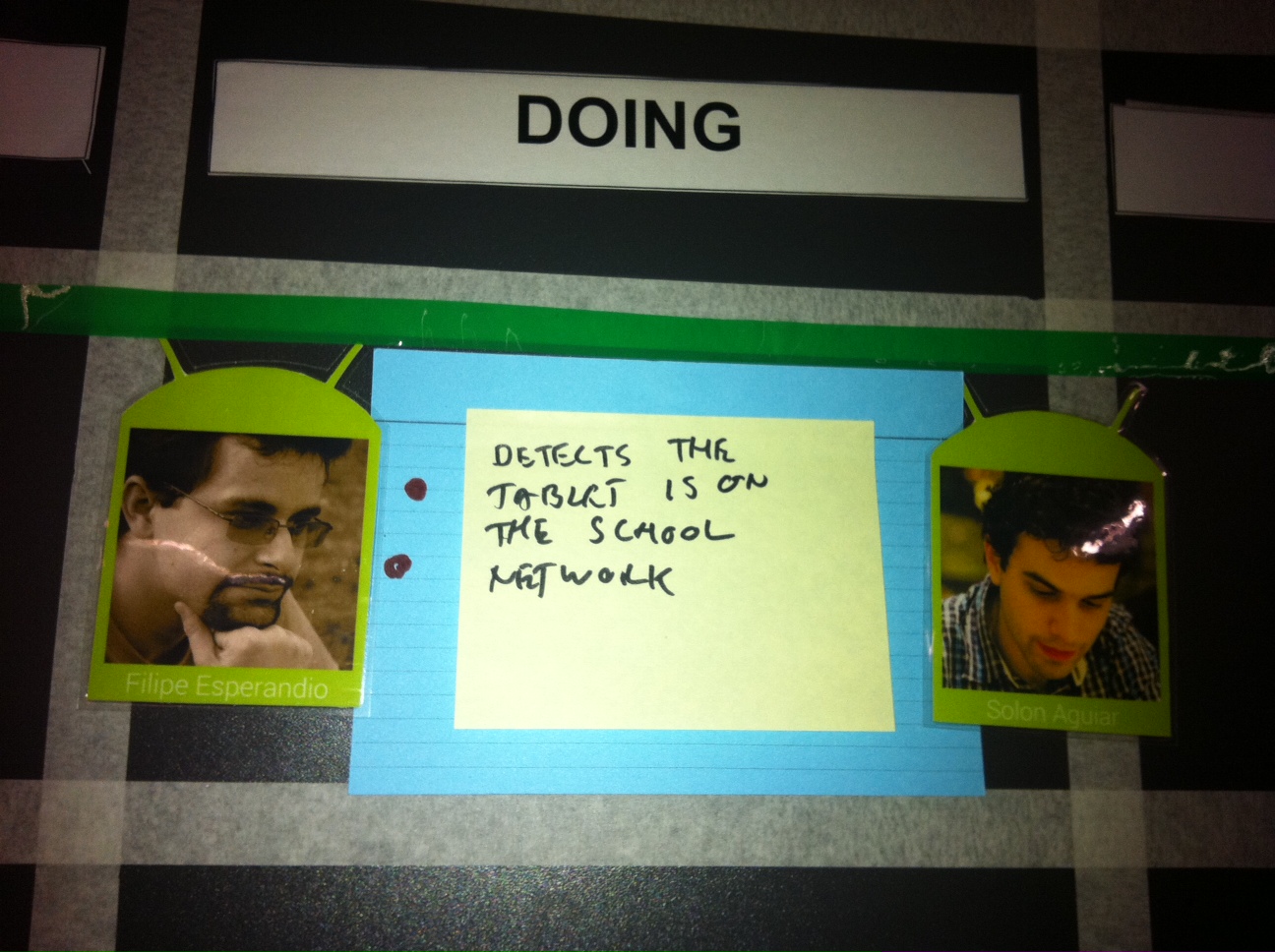
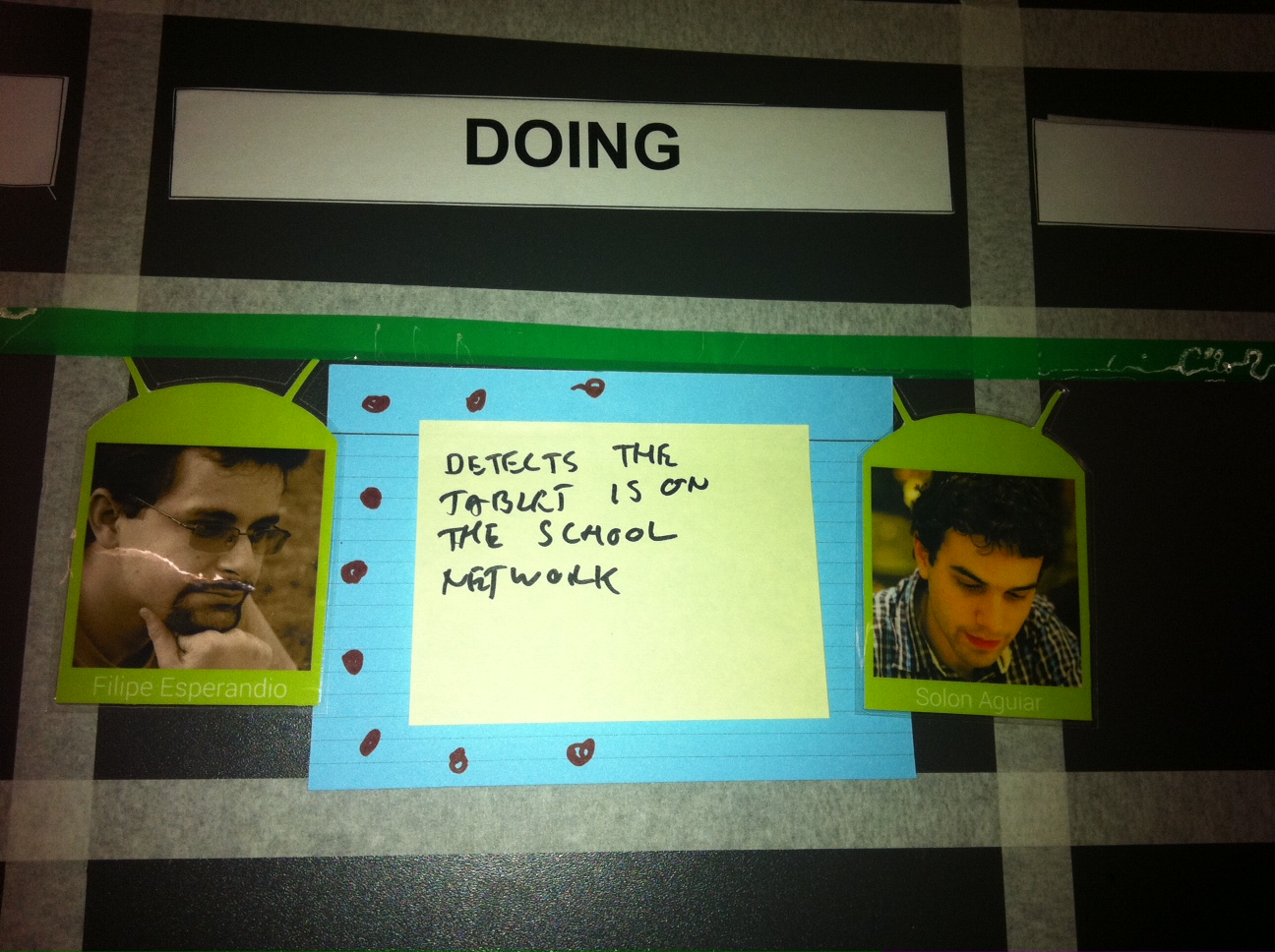
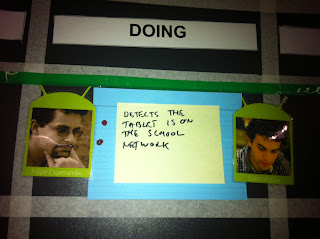
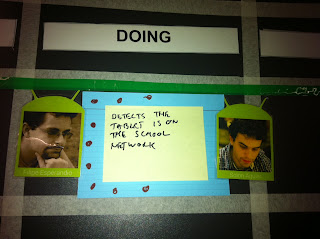
Every day that goes by, a new red dot goes on the card. Below is a sequence of photos for a work item card. The photos were taken day 1, day 2, day 3, and then day 10. You simply count the dots to find out how long the work item is taking. For each completed work item, the number of dots depicts the lead time.
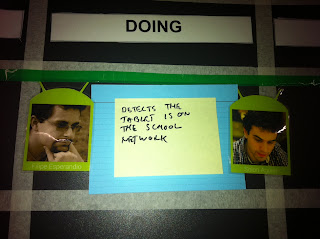 |
| day 1 |
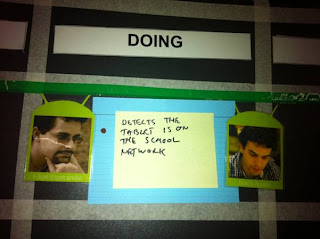 |
| day 2 |
 |
| day 3 |
 |
| day 10 |