Software development is empirical

13 Nov 2012 | Agile Culture

TAG:

One should learn from previous experiences and previous mistakes. Even better, one should learn from others’ experiences and mistakes. In software development, we have been very good at adapting knowledge from other industries. This has been especially the case with the manufacturing industry. From Taylorism to the more recent influences of Lean thinking, software development theories and practices have borrowed a lot from the manufacturing industry.

Having said that, we need to be very aware of the differences between manufacturing and software development. The former typically deals with repeatable processes, while the latter is empirical.

In manufacturing, a repeatable process converts consistent inputs into consistent outputs. Repeatable means that the conversion of inputs to outputs can be replicated with little variation. In repeatable process, a small variation of inputs typically translates to a small variation of the outputs. But this is not the case with software development.

Software development is not a highly predictable and repeatable activity. Software development is really about creation. The software creation process has too much complexity and variability to be treated the same way as manufacturing; software creation is an empirical activity.

empirical
The New Oxford American Dictionary :
em·pir·i·cal  adj. based on, concerned with, or verifiable by observation or experience rather than theory or pure logic:

In manufacturing, a great deal of work is about putting pieces together to build a specific product. In contrast, with software development these pieces are often created, re-created, or customized every time. The manufacturing discipline and its pieces of work are more mature, stable and well understood than the software discipline, and its pieces of work. 

Further, in software development a small variation on inputs can result into a big variation to the outputs. For example, small changes in requirements or architecture can result in huge differences in the developed software and its output.
Paulo Caroli

Paulo Caroli is an author, speaker, and consultant specializing in agile transformations, Lean Inception, and OKRs. With over 30 years of experience—including nearly a decade in Silicon Valley and 18 years at ThoughtWorks—he has helped organizations transition from project to product and from strategy to execution. Creator of the Lean Inception methodology and author of bestselling books like Lean Inception and Team OKR, Paulo is dedicated to empowering teams to align, validate, and deliver real business value.
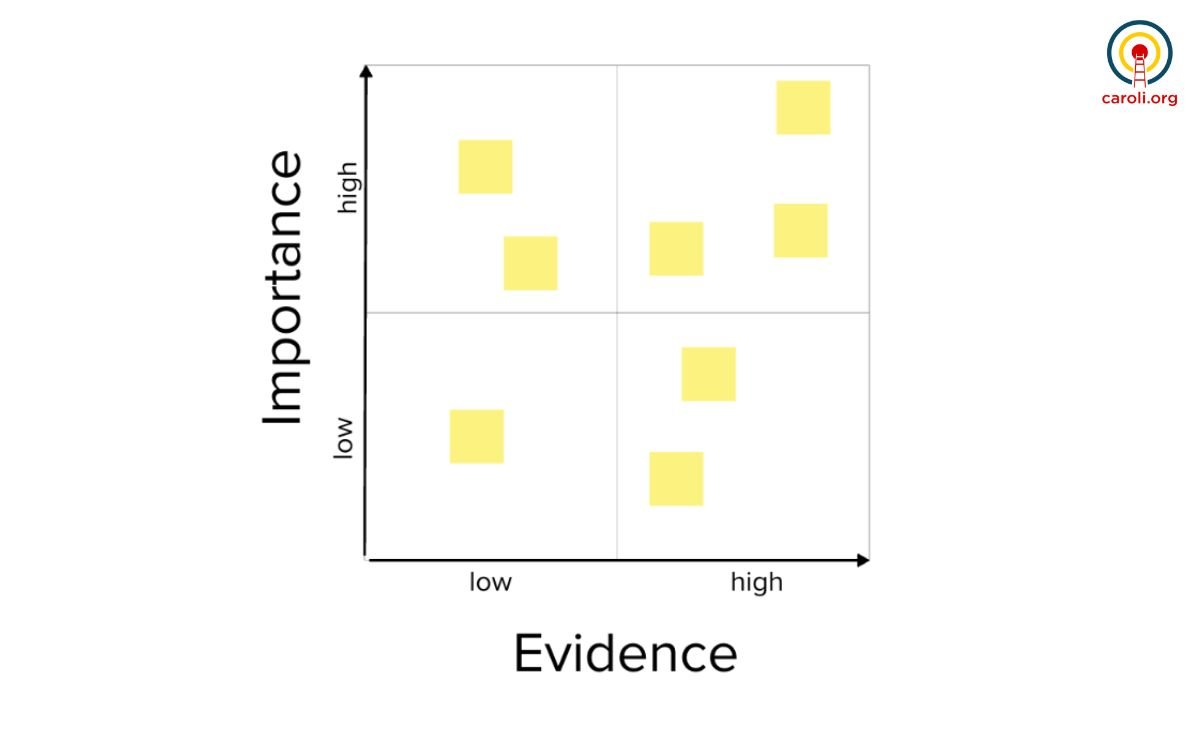
Assumption Mapping Activity

Assumption Mapping Activity

Assumption mapping is a powerful activity that equips teams to evaluate their assumptions based on their significance and supporting evidence. By following a structured process, teams can clarify their assumptions, enabling well-informed decisions, mitigating risks, and bolstering the likelihood of success in their endeavors.

read more
Design Ahead: Harmonizing Design and Development Timelines for Optimal Results

Design Ahead: Harmonizing Design and Development Timelines for Optimal Results

This article explores the strategic integration of the Design Ahead approach and dual track development methodologies in the realm of software development. By delving into the nuances of design, concurrent workflows, and seamless collaboration, it offers insights into orchestrating a harmonious symphony between design and implementation. From refining user experiences to developing new features, this exploration illuminates the path for organizations seeking to excel in the ever-evolving landscape of software delivery.

read more
Working Backwards – Press Release Template

Working Backwards – Press Release Template

This comprehensive Press Release template provides a structured framework for implementing the innovative Working Backwards approach, a strategy favored by industry leaders like Amazon. By starting with the end customer experience and working backward, this method offers a clear pathway for product development and planning. The template’s sections guide teams in articulating the product/initiative/solution’s significance, key features, and benefits.  Whether for remote collaboration or in-person workshops, this tool equips teams with a collaborative framework to craft impactful press releases.

read more

Pin It on Pinterest