“Agile is not a hobby on the side. You have to do the whole thing! .” says Steve Denning on his...
![[video] Steve Denning – Agile is not a hobby on the side.](https://caroli.org/en/wp-content/uploads/sites/5/2016/07/steve-denning-scrumrio2016_thumbnail.jpg)
[video] Steve Denning – Agile is not a hobby on the side.
read more


“Agile is not a hobby on the side. You have to do the whole thing! .” says Steve Denning on his...
“These two ideas are in total conflict: to optimize value to the customer and to the...

Having first encountered OKRs (Objectives and Key Results) in Silicon Valley a decade ago, their resurgence in the agile community is met with optimism. Originally devised by Intel in the 1970s and embraced by tech giants like Google and Twitter, OKRs are now a global phenomenon, applied from startups to large corporations. The essence of OKRs lies in cascading objectives down the organizational hierarchy, providing a qualitative goal (Objective) and a set of measurable outcomes (Key Results). This framework, exemplified by templates like “I will (Objective) as measured by (Key Results),” acts as a bridge, connecting agile engineering practices with organizational performance management. Through real-world examples, this approach demonstrates its versatility, enabling businesses to set and achieve meaningful goals while fostering continuous growth and adaptability.
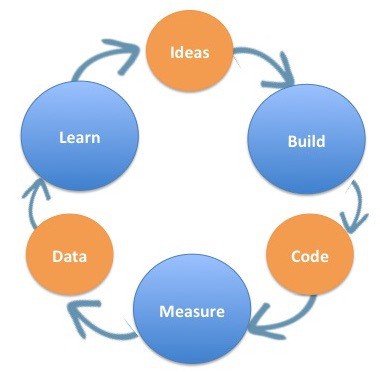
In 2015 I read Steve Blank post: Why ‘Build, Measure, Learn’ isn’t just throwing things against the wall to see if they work I always had a hard time dealing with the jump from the business model canvas to the agile engineering practices. After experimenting lots of...

A few months ago I run a lean inception to bring a software solution from the shadow to the authorized IT department ecosystem. Only then I realized the power and importance of shadow IT for large organizations. At the same time shadow IT can be viewed as an outlier...
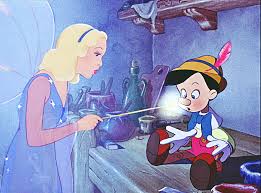
Scrum and Kanban are the Blue Fairy from Pinnochio´s tale. Their transparency uncovers anyone´s untruthfulness. It is like sprinkling the team with a fairy dust. Scrum recurring meetings uncover the goals, the team commitments and how the team is doing to accomplish...

Our beliefs and mental model drive our behavior, which impulses our current way of acting and achieving results. An organizational transformation requires people to drop their current beliefs and mental models in order to truly behave differently, therefore acting...