Workflow – brief history

TAG:

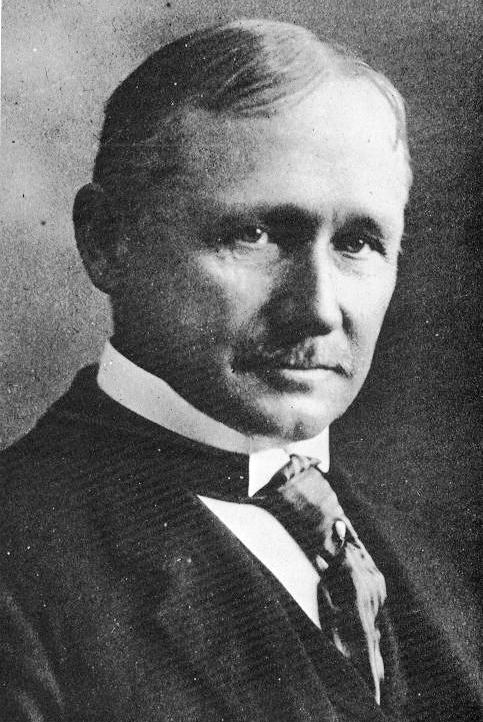
The modern history of workflow can be traced to Frederick Taylor. At the end of the 19th century, he created the Scientific Management approach (also known as Taylorism). His approach intended to improve organization of work and labor productivity by analyzing and establishing workflow processes. His approach was documented and applied mostly in the context of manufacturing.

Since its creation, the Taylorism has had a huge impact on organizational structure, management and the workforce. However it has been often criticized, most commonly for: emphasizing the individual instead of groups or teams; leaving no room for individual preferences or initiative; treating people as machines; and separating planning from execution. As a response to some of these criticisms, newer workflow improvement theories have been implemented in the modern workplace. These include: Six Sigma, Total Quality Management, Business Process Re-engineering, and Lean Thinking.

The ideas of Taylorism have also influenced software development. Similar to the innovations above, Agile is a reaction from the developer community to the application of traditional industrial practices that have been standard since the 70s.
Paulo Caroli

Paulo Caroli is an author, speaker, and consultant specializing in agile transformations, Lean Inception, and OKRs. With over 30 years of experience—including nearly a decade in Silicon Valley and 18 years at ThoughtWorks—he has helped organizations transition from project to product and from strategy to execution. Creator of the Lean Inception methodology and author of bestselling books like Lean Inception and Team OKR, Paulo is dedicated to empowering teams to align, validate, and deliver real business value.
Assumption Mapping Activity

Assumption Mapping Activity

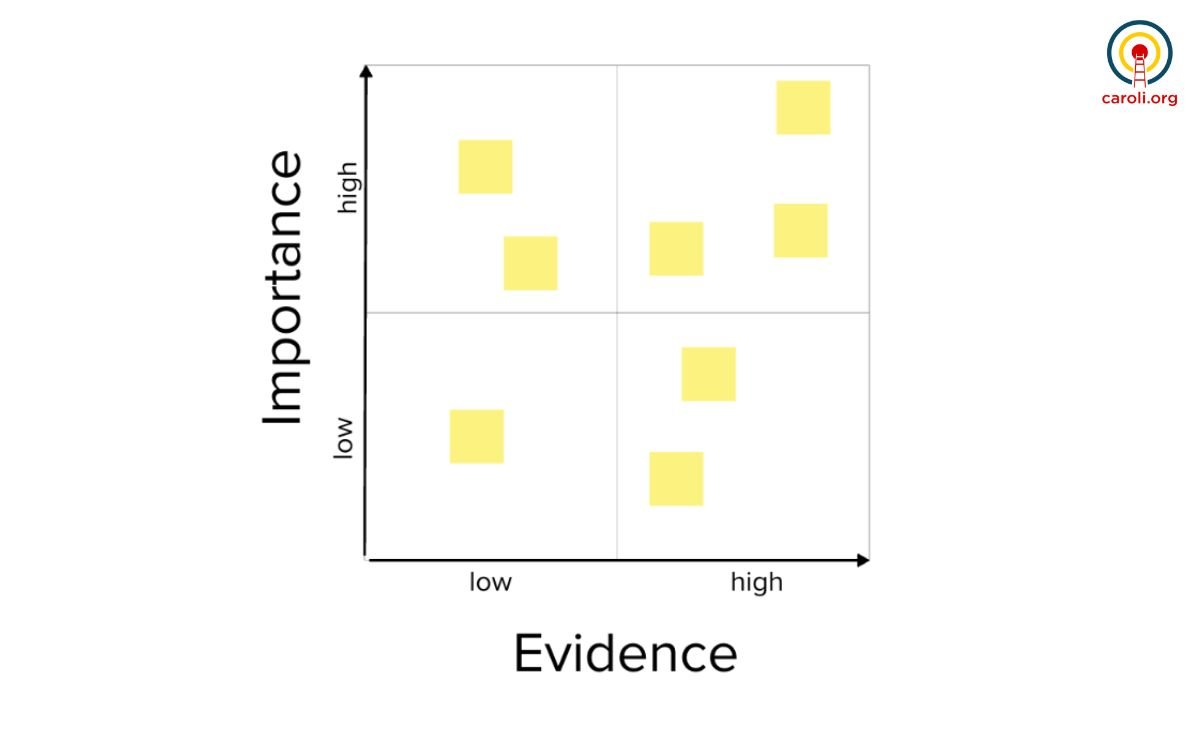
Assumption mapping is a powerful activity that equips teams to evaluate their assumptions based on their significance and supporting evidence. By following a structured process, teams can clarify their assumptions, enabling well-informed decisions, mitigating risks, and bolstering the likelihood of success in their endeavors.

read more
Design Ahead: Harmonizing Design and Development Timelines for Optimal Results

Design Ahead: Harmonizing Design and Development Timelines for Optimal Results

This article explores the strategic integration of the Design Ahead approach and dual track development methodologies in the realm of software development. By delving into the nuances of design, concurrent workflows, and seamless collaboration, it offers insights into orchestrating a harmonious symphony between design and implementation. From refining user experiences to developing new features, this exploration illuminates the path for organizations seeking to excel in the ever-evolving landscape of software delivery.

read more
Working Backwards – Press Release Template

Working Backwards – Press Release Template

This comprehensive Press Release template provides a structured framework for implementing the innovative Working Backwards approach, a strategy favored by industry leaders like Amazon. By starting with the end customer experience and working backward, this method offers a clear pathway for product development and planning. The template’s sections guide teams in articulating the product/initiative/solution’s significance, key features, and benefits.  Whether for remote collaboration or in-person workshops, this tool equips teams with a collaborative framework to craft impactful press releases.

read more

Pin It on Pinterest