Strategy to outcomes: a practical model connecting Strategic OKRs, Team Topologies, discovery, and delivery to help empowered teams turn strategy into measurable results.
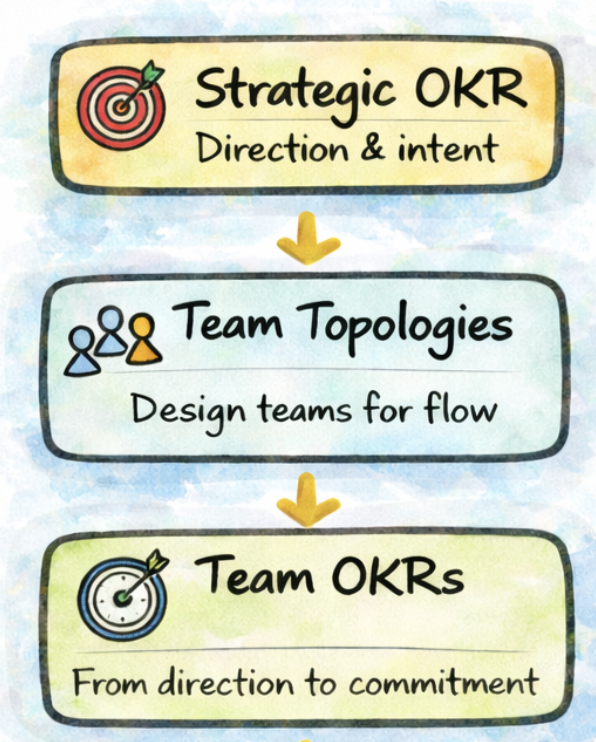
From Strategy to Outcomes: The Missing System Behind Empowered Teams
read more


Strategy to outcomes: a practical model connecting Strategic OKRs, Team Topologies, discovery, and delivery to help empowered teams turn strategy into measurable results.

PQP Strategy is a pragmatic way to use OKRs in organizations that are heavily driven by projects. Instead of trying to replace projects, it breaks them into focused quarterly cycles where teams take real ownership of outcomes.
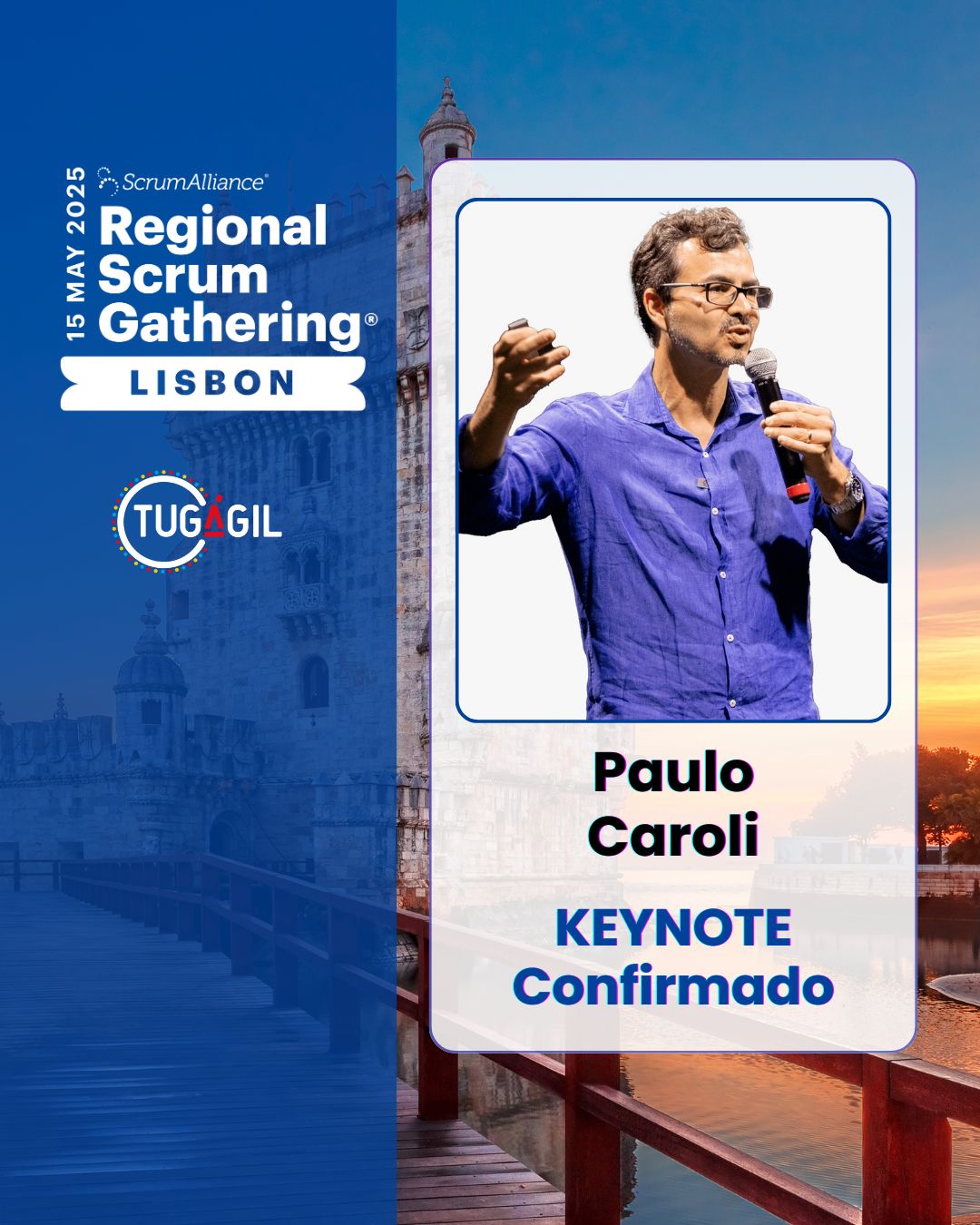
I’m honored to be the closing keynote speaker at Scrum Gathering Lisbon 2025 — sharing the stage with incredible names like Prof. Dave Snowden.

Learn how to go from features to user stories using Lean Inception and the PBB Canvas. This article offers clear definitions, writing tips, and real-world examples to help your team align and deliver value.

Facilitating a Data Mesh Lean Transformation requires structured collaboration, clear facilitation strategies, and alignment between business and technical teams. This guide follows the Double Diamond Approach, a framework that balances problem exploration with solution execution, providing a step-by-step walkthrough of key workshops—from selecting the right domain to defining thin slices and incremental delivery plans. With real-world examples and ready-to-use Mural boards, this article equips facilitators with the tools to drive alignment, execution, and lasting impact in Data Mesh transformations.

The Lean Inception Emails Campaign is a strategic sequence of messages designed to inform and engage workshop participants. The goal is to ensure that everyone has the necessary information and is aligned with the core concepts and steps of Lean Inception before the workshop begins.

If you’ve ever wondered about the difference between KPI vs KR or struggled to distinguish Strategic Objective vs Team Objective, you’re not alone. Many organizations face confusion when it comes to defining these key concepts. The challenge isn’t just academic — it directly impacts your ability to align teams, measure success, and drive meaningful business outcomes.
In this article, we’ll break down the key differences between KPIs, KRs, Strategic Objectives, and Team Objectives. You’ll discover how these elements fit together, how to avoid common mistakes, and how to use them to create clarity and alignment within your teams. By the end, you’ll have a clear framework for avoiding confusion and making these essential tools work together to drive better results.

Cascading OKRs have been the go-to method for aligning organizational goals from the top down. On paper, it sounds effective: start with strategic objectives, break them down into tactical targets, and then cascade them further into operational OKRs. But in reality, this approach often leads to misalignment, lack of ownership, and rigidity.