[Digital products] revenue and costs

TAG:

Revenue is the money you get when people use your digital product. Cost is any money that has to be spent or given up in order to get your digital product going. Basically, the revenue will be used to pay for your costs. When you can afford to pay for your monthly costs, the surplus will be used to offset the investment of the months when the monthly revenue didn’t cover the costs.
money-revenur-cost

Both revenue and costs should be checked out month over month. It is important to categorize your costs, so it can help you to understand where you are spending the most and where you can save.

These are the 3 categories for digital products costs::

  • Infrastructure: it’s all the necessary costs to keep the service running. In this category I include website and app hosting costs, domain register, tools for e-mail marketing, SEO, A/B tests, online chat system etc. Usually, these costs are recurrent; therefore require a lot of attention every time you hire a new service like the above.
  • Development: here are all the costs to develop and implement new features in your website or application, including programming, interface development, visual design, logo design etc
  • Marketing: Attracting clients requires various investments such as AdWords, Facebook ads, and ads on websites, magazines, newspapers, and TV. Additionally, expenses such as flyer printing and distribution, coupons, and folders can also be considered. But, to determine which promotional strategy would be suitable for your marketing, it is best to click here to know about it in detail. In the beginning, stages, investing time in free tools can attract long-term clients and help save on marketing expenses. Alternatively, if you continue to invest in paid advertising, it can increase revenue over time.

In order to have a profitable digital product, the monthly income should be higher than the monthly expenses. It is as simple as that. However, it is easier said than done.

The following E-book will help you on this regard.

[content_block id=2967 slug=read-more-on-the-ebook-porduct-management]
Paulo Caroli

Paulo Caroli is an author, speaker, and consultant specializing in agile transformations, Lean Inception, and OKRs. With over 30 years of experience—including nearly a decade in Silicon Valley and 18 years at ThoughtWorks—he has helped organizations transition from project to product and from strategy to execution. Creator of the Lean Inception methodology and author of bestselling books like Lean Inception and Team OKR, Paulo is dedicated to empowering teams to align, validate, and deliver real business value.
Triple Track Development: Business Innovation Through Continuous Discovery and Continuous Delivery

Triple Track Development: Business Innovation Through Continuous Discovery and Continuous Delivery

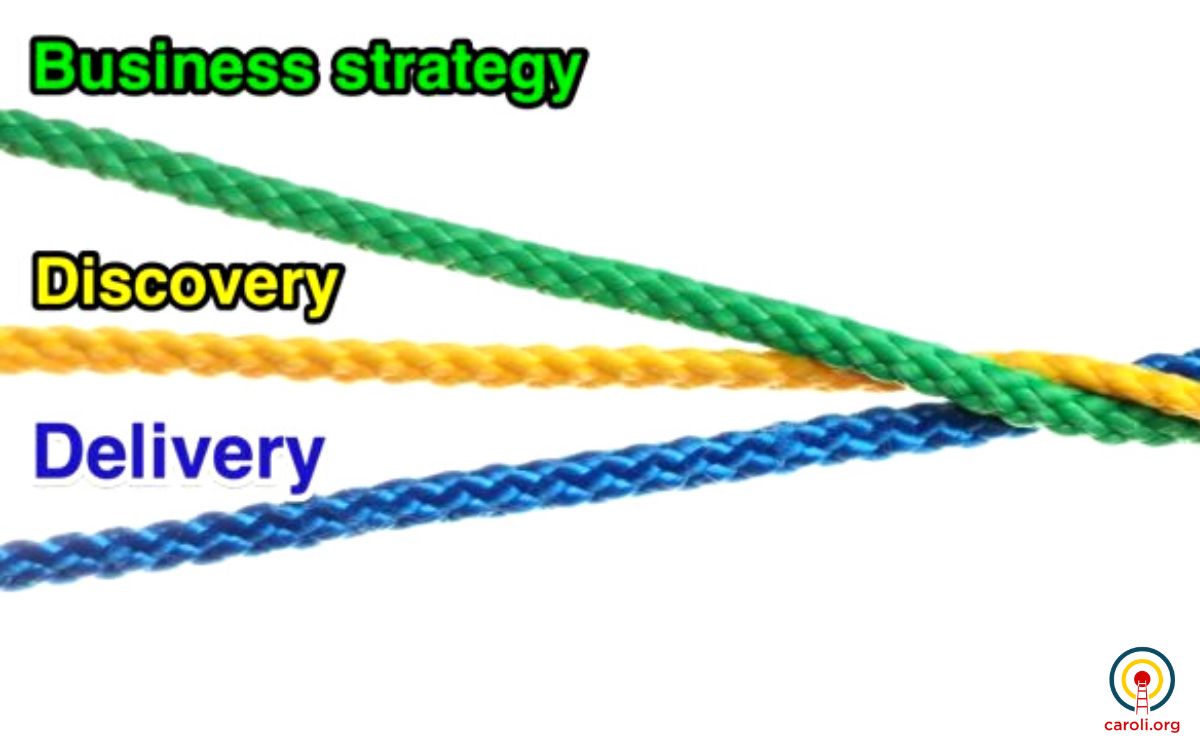
Continuous Triple Track Development, comprising Business Strategy, Discovery, and Delivery, revolutionizes product development. Quarterly goals replace yearly plans, ensuring adaptability. Continuous Discovery delves deep into user needs, while Continuous Delivery swiftly transforms validated ideas into products. This synchronized approach fosters unprecedented collaboration, propelling teams towards collective success. It’s not just a methodology; it’s a strategic advantage, enabling businesses to innovate rapidly in today’s dynamic market.

read more
New Book Alert: How to Define, Prioritize and Refine User Stories using the Product Backlog Building Canvas

New Book Alert: How to Define, Prioritize and Refine User Stories using the Product Backlog Building Canvas

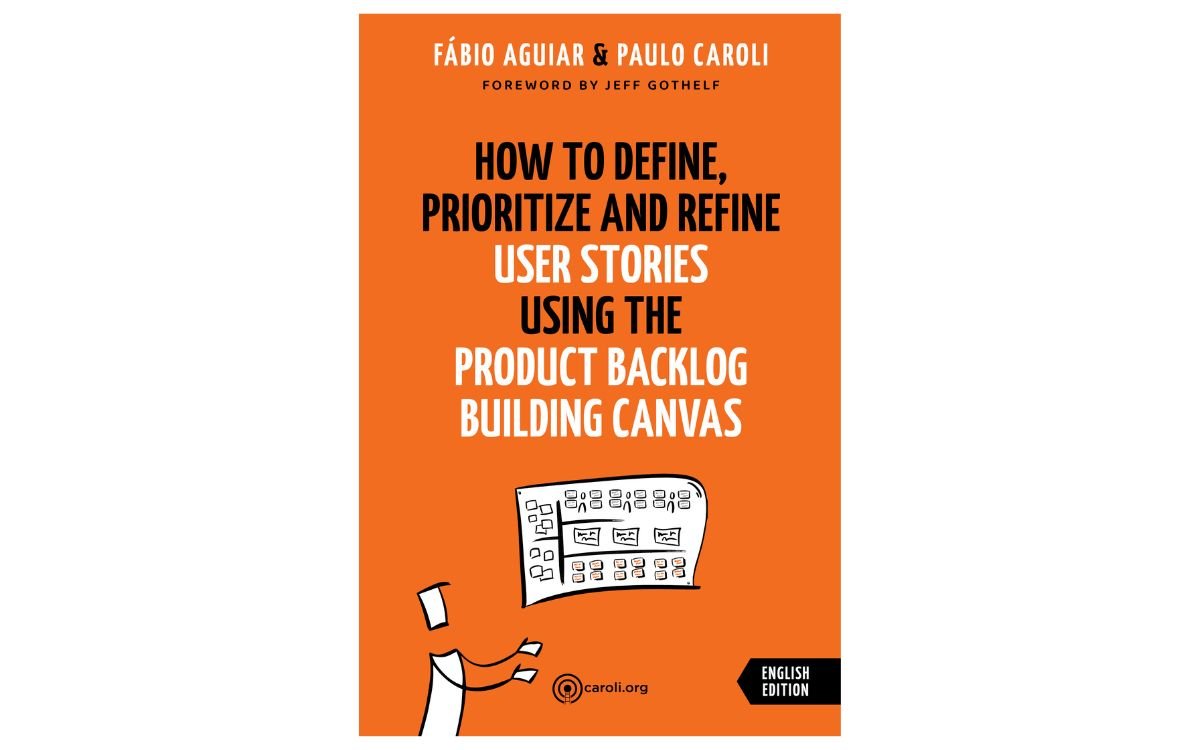
Introducing our enhanced book, “How to Define, Prioritize and Refine User Stories using the Product Backlog Building Canvas.” Evolving from its predecessor, this edition responds to valuable reader feedback, refining both content and title. Delve into the world of effective product development and user story management, discovering the integrated power of the PBB Canvas. Embrace an enriched reading experience and explore insights from thought leader Jeff Gothelf in the preface. Don’t miss a reader’s insightful review, preserved for wider readership. Join us on this journey of empowering user story craftsmanship, and witness the transformation of your product development goals.

read more
Product thinking strategy questionnaire

Product thinking strategy questionnaire

The questionnaire below elaborates on a few important aspects of product thinking, problem understanding, solutioning and strategic delivery planning.   I have used this questionnaire as part of a workshop on Product Leadership and Strategic Alignment. Basically,...

read more

Pin It on Pinterest