

Stand-up meetings don’t steal your time

We’ve been in some teams in the past that people were seeing stand-ups as a burden.

We’ve heard various complaints:

“I wish I could do some real work in the time I spent in stand-ups”
“I don’t care what the team does, I have my isolated work to do”
“I can’t wake up in the mornings.”

First of all stand-ups are not unique to software development. Toyota is using a different kind of stand-up for years and it has been proved by the years that it works. These meetings are called Obeya meetings. Pete Abilla wrote a very good article on Obeya and how it improves the flow.

He says:

“..Again, basic combinatorics teaches us that as the number of agents involved in a process increases, the communication links between those agents increases exponentially, thus allowing for a potentialy Nx communication-link breakdown.  To manage that, scheduled but quick Obeya meetings can help, as well as as-needed informal meetings between individuals and groups...”

So as your team grows, your communication links increase exponentially. With stand-ups, you cover a lot of these links in a short time.

Another myth on stand-ups is about whether a team needs stand-ups every day or not. Having a 20 minute stand-up will consume 4.12% of your daily time. It will add up to a 1/5 of a day in a week. So the question on the necessity of having stand-ups every day is valid.

It is not very easy to realize this immediately but actually stand-ups don’t steal your time. Because of the stand-ups, the number of the meetings decreases. So having them every day eventually is a big time-saver.“
Paulo Caroli

Paulo Caroli is an author, speaker, and consultant specializing in agile transformations, Lean Inception, and OKRs. With over 30 years of experience—including nearly a decade in Silicon Valley and 18 years at ThoughtWorks—he has helped organizations transition from project to product and from strategy to execution. Creator of the Lean Inception methodology and author of bestselling books like Lean Inception and Team OKR, Paulo is dedicated to empowering teams to align, validate, and deliver real business value.
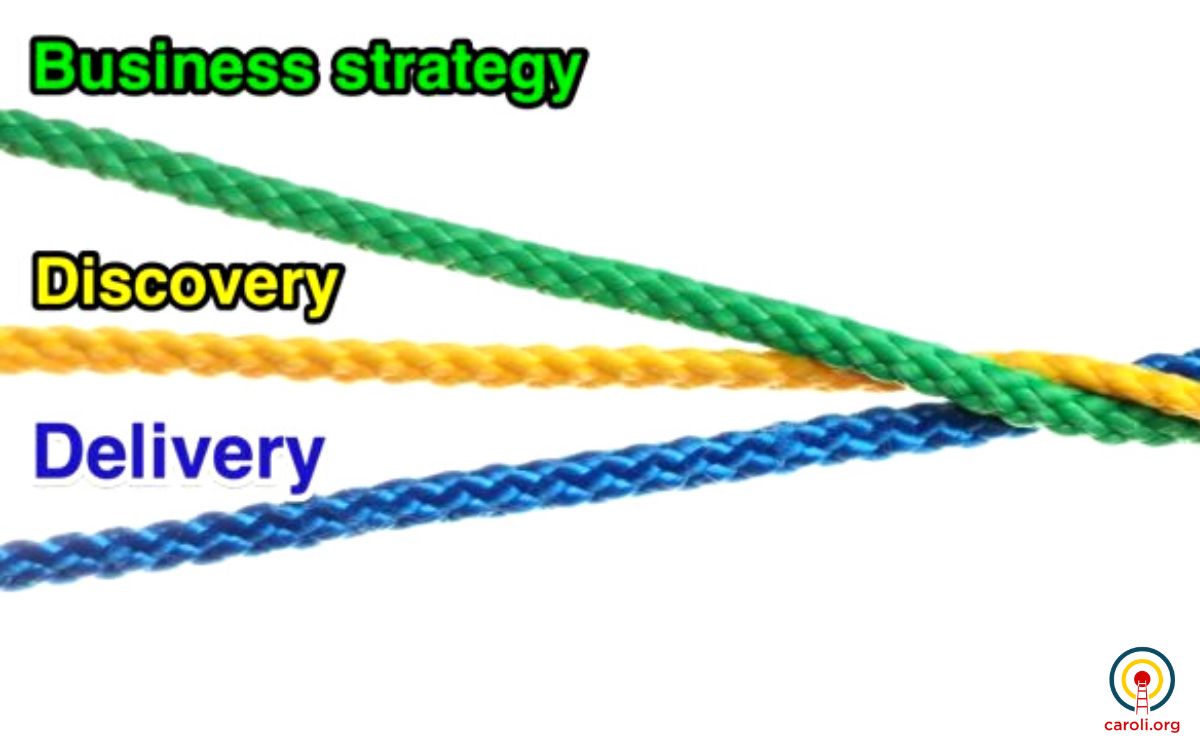
Triple Track Development: Business Innovation Through Continuous Discovery and Continuous Delivery

Triple Track Development: Business Innovation Through Continuous Discovery and Continuous Delivery

Continuous Triple Track Development, comprising Business Strategy, Discovery, and Delivery, revolutionizes product development. Quarterly goals replace yearly plans, ensuring adaptability. Continuous Discovery delves deep into user needs, while Continuous Delivery swiftly transforms validated ideas into products. This synchronized approach fosters unprecedented collaboration, propelling teams towards collective success. It’s not just a methodology; it’s a strategic advantage, enabling businesses to innovate rapidly in today’s dynamic market.

read more
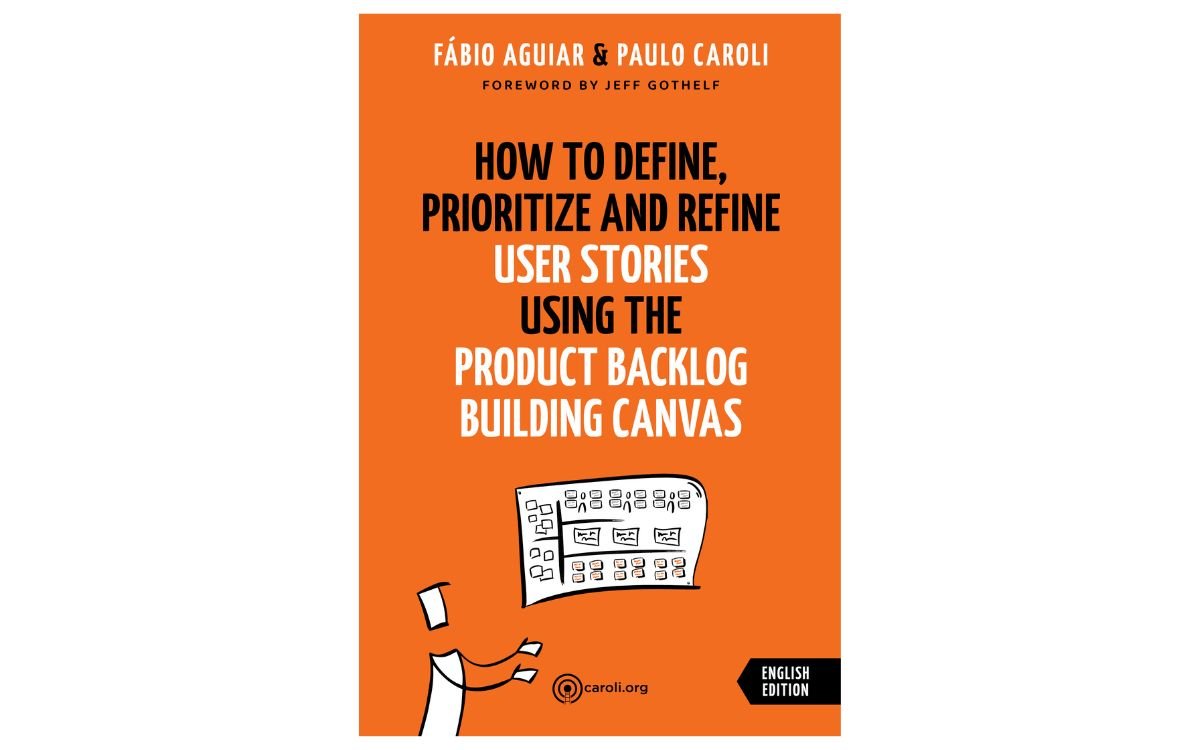
New Book Alert: How to Define, Prioritize and Refine User Stories using the Product Backlog Building Canvas

New Book Alert: How to Define, Prioritize and Refine User Stories using the Product Backlog Building Canvas

Introducing our enhanced book, “How to Define, Prioritize and Refine User Stories using the Product Backlog Building Canvas.” Evolving from its predecessor, this edition responds to valuable reader feedback, refining both content and title. Delve into the world of effective product development and user story management, discovering the integrated power of the PBB Canvas. Embrace an enriched reading experience and explore insights from thought leader Jeff Gothelf in the preface. Don’t miss a reader’s insightful review, preserved for wider readership. Join us on this journey of empowering user story craftsmanship, and witness the transformation of your product development goals.

read more
Product thinking strategy questionnaire

Product thinking strategy questionnaire

The questionnaire below elaborates on a few important aspects of product thinking, problem understanding, solutioning and strategic delivery planning.   I have used this questionnaire as part of a workshop on Product Leadership and Strategic Alignment. Basically,...

read more

Pin It on Pinterest