

Urgency and importance, visualizing it on a graph

Urgent: a task for which the due date is very soon.  These are the to-do’s that have a near-by due date and have not been completed yet.

Important: a task with serious meaning which deserves serious attention. These are tasks with great impact on a goal.


The following graph helps visualizing tasks in order to prioritize the work as per their importance and urgency levels.

urgent-important

The graph helps with a visual understanding for urgency and importance, as such:

–          the higher, the more important it is,

–          the closer it gets to the arrow (today), the more urgent it is.


Possible actions

These are the possible actions on this graph.

Add a task

A new task is identified. Write it on a post-it, understand if it has a due date, and place it on the graph according to the due date and the relative importance level (compared to the other tasks).

Try to keep the tasks on a similar unit level. For example, avoid having tasks with significant effort level difference (such as a one hour task next to a task that takes 100 hours). Consider combining or splitting tasks to obtain a similar level.

Mark as done

A task that is completed should get a mark, a tick making it visible that the work is complete. Do not remove it from the graph. It does carry valuable information. Perhaps, it can show that you have finished an important task ahead of time.

Remove a task

You realized that some task could have been done by another person, or its purpose has changed. By all means, remove ti from the graph. It seems like a small thing, but actively looking for tasks to be removed is crucial for effective time management.

Change the time

A big arrow on a post-it represents the current time. Move it often. It will help building the sense of urgency and the need for prioritization. Every day you should look at the graph to make a decision: should I work on this or that task? And this graph will provide you with visual guidance (and reasoning) for relatively comparing the tasks importance and urgency.


Simple is good

Every day we make decisions on what to work first. Very few people make truly informed decisions based on relative prioritization, differentiating importance from urgency. This simple graph helps you comparing the tasks as per their urgency and importance level.
Paulo Caroli

Paulo Caroli is an author, speaker, and consultant specializing in agile transformations, Lean Inception, and OKRs. With over 30 years of experience—including nearly a decade in Silicon Valley and 18 years at ThoughtWorks—he has helped organizations transition from project to product and from strategy to execution. Creator of the Lean Inception methodology and author of bestselling books like Lean Inception and Team OKR, Paulo is dedicated to empowering teams to align, validate, and deliver real business value.
Triple Track Development: Business Innovation Through Continuous Discovery and Continuous Delivery

Triple Track Development: Business Innovation Through Continuous Discovery and Continuous Delivery

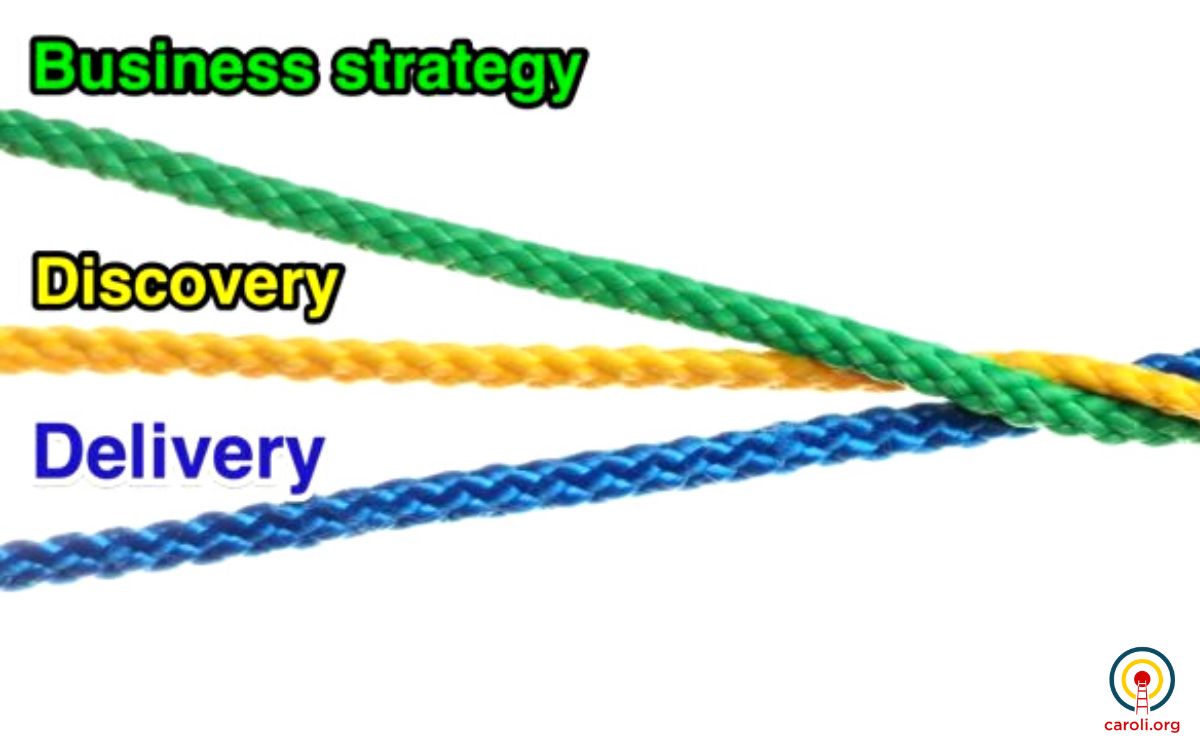
Continuous Triple Track Development, comprising Business Strategy, Discovery, and Delivery, revolutionizes product development. Quarterly goals replace yearly plans, ensuring adaptability. Continuous Discovery delves deep into user needs, while Continuous Delivery swiftly transforms validated ideas into products. This synchronized approach fosters unprecedented collaboration, propelling teams towards collective success. It’s not just a methodology; it’s a strategic advantage, enabling businesses to innovate rapidly in today’s dynamic market.

read more
New Book Alert: How to Define, Prioritize and Refine User Stories using the Product Backlog Building Canvas

New Book Alert: How to Define, Prioritize and Refine User Stories using the Product Backlog Building Canvas

Introducing our enhanced book, “How to Define, Prioritize and Refine User Stories using the Product Backlog Building Canvas.” Evolving from its predecessor, this edition responds to valuable reader feedback, refining both content and title. Delve into the world of effective product development and user story management, discovering the integrated power of the PBB Canvas. Embrace an enriched reading experience and explore insights from thought leader Jeff Gothelf in the preface. Don’t miss a reader’s insightful review, preserved for wider readership. Join us on this journey of empowering user story craftsmanship, and witness the transformation of your product development goals.

read more
Product thinking strategy questionnaire

Product thinking strategy questionnaire

The questionnaire below elaborates on a few important aspects of product thinking, problem understanding, solutioning and strategic delivery planning.   I have used this questionnaire as part of a workshop on Product Leadership and Strategic Alignment. Basically,...

read more

Pin It on Pinterest