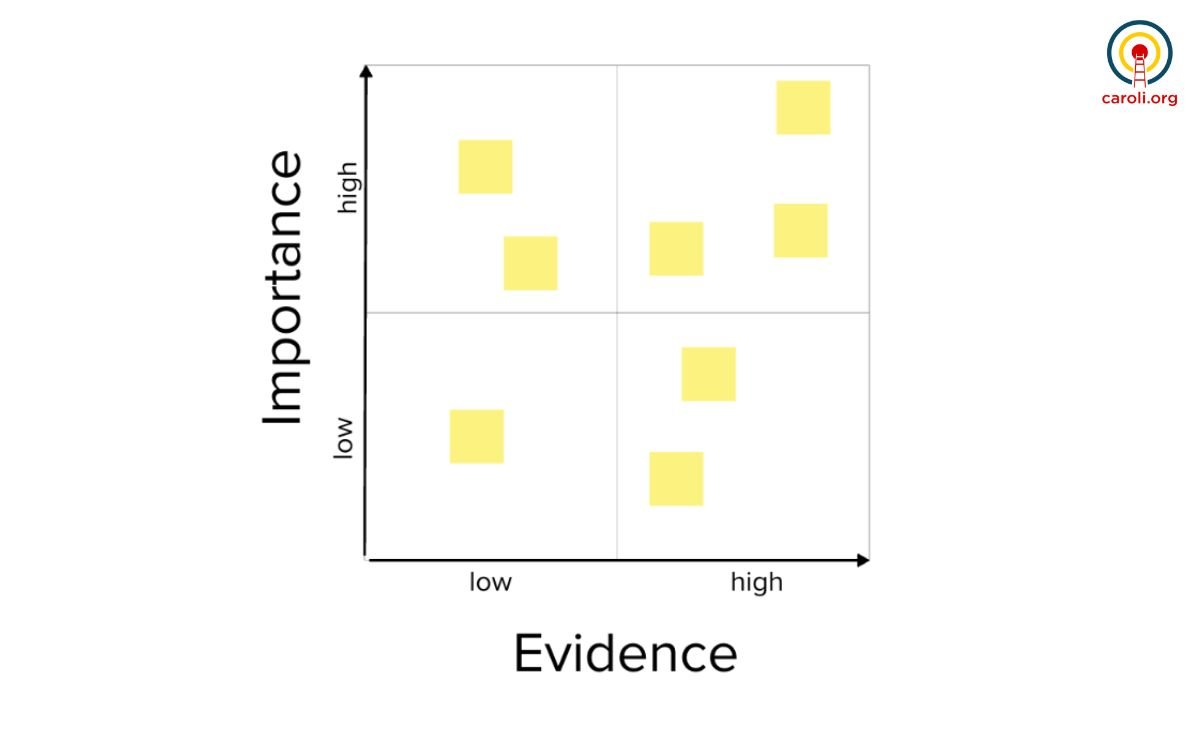
Assumption mapping is a powerful activity that equips teams to evaluate their assumptions based on their significance and supporting evidence. By following a structured process, teams can clarify their assumptions, enabling well-informed decisions, mitigating risks, and bolstering the likelihood of success in their endeavors.
Author
Paulo Caroli

More from Paulo Caroli
Blog Posts
Triple Track Development: Business Innovation Through Continuous Discovery and Continuous Delivery
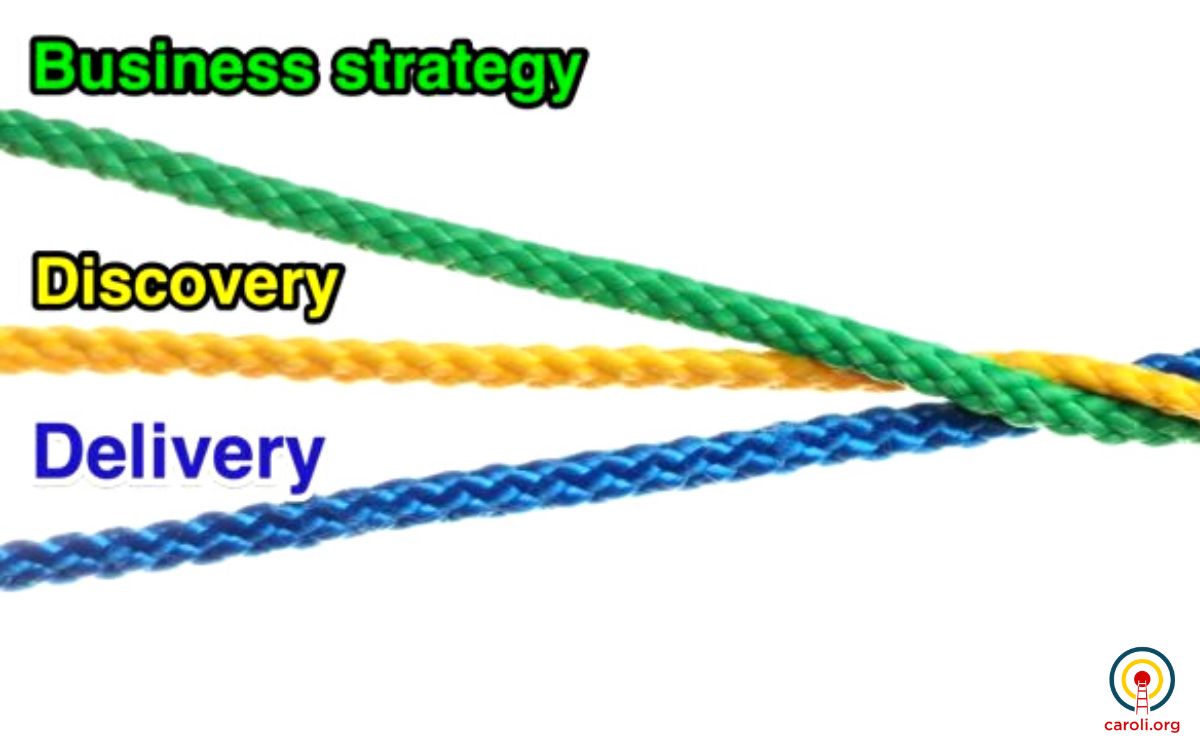
Continuous Triple Track Development, comprising Business Strategy, Discovery, and Delivery, revolutionizes product development. Quarterly goals replace yearly plans, ensuring adaptability. Continuous Discovery delves deep into user needs, while Continuous Delivery swiftly transforms validated ideas into products. This synchronized approach fosters unprecedented collaboration, propelling teams towards collective success. It’s not just a methodology; it’s a strategic advantage, enabling businesses to innovate rapidly in today’s dynamic market.
Data Mesh Readiness: Should You Adopt Data Mesh Today?
In this comprehensive exploration of Data Mesh transformation, we delve into the critical concept of Data Mesh Readiness. Before immersing yourself in the journey, there’s a pivotal question that demands an answer: Is your organization truly prepared for Data Mesh? Guided by the expertise of an inception facilitator, this article unfolds a pragmatic approach. The Data Mesh Readiness Assessment, dissected into key aspects, becomes a compass guiding your evaluation. From understanding your organization’s complexities to identifying strategic domains, this piece offers actionable insights. Embracing the Lean principles, the article introduces the DUTI Lean Transformation Path: Domain, Use Case, Thin Slice, and Increment. Through a strategic domain-by-domain approach, your organization can elegantly navigate the marathon of innovation and transformation, ensuring a successful Data Mesh implementation.
Design Ahead: Harmonizing Design and Development Timelines for Optimal Results
This article explores the strategic integration of the Design Ahead approach and dual track development methodologies in the realm of software development. By delving into the nuances of design, concurrent workflows, and seamless collaboration, it offers insights into orchestrating a harmonious symphony between design and implementation. From refining user experiences to developing new features, this exploration illuminates the path for organizations seeking to excel in the ever-evolving landscape of software delivery.
Working Backwards – Press Release Template
This comprehensive Press Release template provides a structured framework for implementing the innovative Working Backwards approach, a strategy favored by industry leaders like Amazon. By starting with the end customer experience and working backward, this method offers a clear pathway for product development and planning. The template’s sections guide teams in articulating the product/initiative/solution’s significance, key features, and benefits. Whether for remote collaboration or in-person workshops, this tool equips teams with a collaborative framework to craft impactful press releases.
Build the MVP Canvas
In the ‘Build the MVP Canvas’ activity, you’ll explore a dynamic tool inspired by lean startup principles—the Minimum Viable Product (MVP) Canvas. This visual chart empowers you to validate and refine product ideas systematically. It guides you through defining the MVP’s proposal, personas, journeys, features, metrics, and schedule. Step by step, you’ll understand each block, fill it with relevant information, and ensure alignment. Whether concluding a Lean Inception workshop or standalone, the MVP Canvas bridges ideas to action, turning concepts into customer-centric products.